6 August 2026
If you’ve spent any time trying to grow your presence on Instagram, you’ve probably come across the ongoing debate around auto likes vs manual likes Instagram users keep asking about in 2026. It sounds like a simple choice at first, but once you dig into how each method affects your engagement rate, account safety, and long-term growth, the decision becomes a lot more strategic than it looks.
Whether you’re a small UK business owner, a content creator, or someone simply trying to boost visibility on your posts, understanding the real difference between Instagram auto likes vs manual likes can save you time, money, and a lot of frustration. In this guide, we’ll break down everything UK users need to know in 2026 — from how each method works, to which one actually helps you grow, and how to avoid common mistakes along the way.
What Are Instagram Auto Likes and Manual Likes?
Before comparing the two, it helps to understand what each term actually means in practice.
What Are Auto Likes?
Auto likes are delivered automatically to your Instagram posts the moment you publish them, without you needing to do anything manually. You typically set this up through a service or app that’s connected to your account, and likes start rolling in within minutes.
This is why so many UK creators and businesses search for an auto liker app for Instagram — the appeal is obvious: instant engagement, zero manual effort, and consistent results on every post you share.
If you want to see how this works in practice, Social Cart’s automatic Instagram likes service delivers likes automatically to new posts as soon as they go live, which is ideal for accounts that post frequently and don’t have time to manage engagement manually.
What Are Manual Likes?
Manual likes, on the other hand, are added to specific posts that you choose yourself. Instead of setting up automation, you (or a service provider) select individual posts and add likes to them one at a time.
This gives you more control. You can decide which posts need a boost — maybe a product launch, a reel that’s underperforming, or a campaign post that needs extra social proof. Many UK users searching for manual likes Instagram UK prefer this because it feels more targeted and intentional.
Social Cart also offers a straightforward Instagram likes service where you can manually select which posts receive engagement, giving you full control over your strategy.
Auto Likes vs Manual Likes on Instagram: Key Differences
Here’s a side-by-side breakdown to make the comparison easier to digest.
| Factor | Auto Likes | Manual Likes |
|---|---|---|
| Setup | One-time setup, works automatically | Requires selecting posts each time |
| Speed | Delivered within minutes of posting | Delivered on request, timing varies |
| Control | Applies to every new post equally | You choose exactly which posts get likes |
| Best for | Frequent posters, consistent growth | Targeted campaigns, specific posts |
| Effort required | Minimal — “set and forget” | Slightly more hands-on management |
| Consistency | Every post gets engagement automatically | Only selected posts get a boost |
Both options aim to improve your Instagram engagement rate, but they serve different purposes depending on your posting habits and goals.
Pros and Cons of Auto Likes
Auto likes have become popular among busy UK accounts, but like anything, they come with trade-offs.
Advantages:
- Saves time since there’s no manual work involved
- Ensures every post gets consistent early engagement
- Helps new posts gain traction quickly, which can support better content visibility
- Ideal for accounts that post daily or multiple times a week
Drawbacks:
- Less control over which specific posts get boosted
- If not managed properly, engagement can feel less targeted
- Requires choosing a reliable provider to avoid Instagram bot likes that look unnatural
The key to making auto likes work well is choosing a provider that delivers gradual, realistic engagement rather than a sudden unnatural spike — which is exactly the kind of pattern the Instagram algorithm in 2026 has gotten better at detecting.
Pros and Cons of Manual Likes
Manual likes appeal to users who want a more hands-on, strategic approach to engagement.
Advantages:
- Full control over exactly which posts receive a boost
- Useful for time-sensitive campaigns, launches, or important announcements
- Feels more intentional and can be paired with organic promotion efforts
Drawbacks:
- Requires more effort — you need to actively select and manage each post
- Inconsistent if you forget to boost newer posts
- Can be slower to deliver compared to automated systems
If your content strategy revolves around a few key posts rather than daily uploads, a manual Instagram engagement service might make more sense than a fully automated one.
Which One Works Better for UK Instagram Users in 2026?
This is the question everyone actually wants answered, and honestly, it depends on your goals.
If You Post Frequently
Auto likes are usually the better fit. If you’re publishing reels, carousels, or posts multiple times a week, manually boosting each one becomes time-consuming fast. Instagram auto likes UK services take that burden off your plate entirely.
If You Post Selectively
If you only post occasionally but want maximum impact per post — say, a product drop or a seasonal campaign — manual likes give you the precision to focus your budget where it matters most.
If You’re Building a Long-Term Brand
A hybrid approach often works best here. Many UK businesses combine both: auto likes for consistent baseline engagement, and manual boosts for high-priority campaigns. Pairing this with a broader Instagram marketing growth strategy tends to produce more sustainable results than relying on either method alone.
Is Buying Instagram Likes Safe in the UK?
Account safety is, understandably, the biggest concern for most people considering this. Here’s what you should know.
- Instagram’s policy stance: Buying likes technically falls into a grey area regarding Instagram’s terms of service, but millions of accounts use these services daily without issue, provided the delivery is gradual and realistic.
- The real risk factor: The danger isn’t buying likes itself — it’s buying from low-quality providers who use bots or fake accounts that get flagged and removed, leaving your engagement numbers to drop suddenly.
- How to reduce risk: Choose providers who deliver likes from real, active profiles rather than bot networks. This directly affects your Instagram account safety and reduces Instagram shadowban risk.
For a deeper look at spotting the difference between genuine and low-quality engagement, this breakdown on real vs fake Instagram followers applies almost identically to likes — the same red flags apply.
How the Instagram Algorithm Treats Auto vs Manual Likes in 2026
Instagram’s algorithm has evolved significantly, and understanding how it works helps explain why engagement timing matters so much.
The algorithm prioritizes:
- Early engagement velocity – posts that get likes quickly after publishing are more likely to be pushed to a wider audience
- Engagement-to-reach ratio – a healthy like-to-view ratio signals quality content
- Consistency over time – accounts with steady engagement patterns are favored over sporadic spikes
This is exactly why auto likes tend to have a slight edge for algorithm performance — they arrive within that critical early window right after posting. If you want a full technical breakdown, how the Instagram algorithm works explains this in much more detail.
That said, manual likes still contribute positively to your Instagram reach and impressions when timed strategically, particularly for high-value posts.
Real vs Fake Instagram Likes: How to Tell the Difference
Not all engagement services are created equal, and this is where a lot of UK users get burned.
Signs of real, quality likes:
- Likes come from active profiles with real posts and followers
- Engagement builds gradually rather than appearing all at once
- Profile pictures, usernames, and bios look authentic
Signs of fake or bot likes:
- Sudden, unnatural spikes in likes within seconds
- Likes from empty or suspicious-looking accounts
- No corresponding increase in comments, saves, or shares
This distinction matters enormously for content authenticity and your overall brand reputation. A related comparison worth reading is organic vs paid Instagram growth for UK businesses, which explores how paid engagement fits into a broader, sustainable growth plan.
How to Choose the Best Instagram Likes Service in the UK
With so many providers claiming to offer the best Instagram likes service UK users can trust, here’s what actually separates the good ones from the rest.
- Real engagement sources – avoid anything relying purely on bots
- Gradual delivery speed – instant, massive spikes look suspicious to the algorithm
- UK-relevant targeting – especially important if your audience is location-specific
- Transparent pricing – no hidden fees or unclear packages
- Customer support availability – responsive support matters if something goes wrong
- No password requirements – legitimate services never need your login credentials
If you’re also considering growing followers alongside likes, pairing this with English-speaking Instagram followers tends to create more cohesive, believable engagement overall.
Auto Likes vs Manual Likes: The Final Verdict
So, which one should you actually choose in 2026?
- Choose auto likes if you post frequently and want consistent, low-effort engagement on every upload
- Choose manual likes if you post selectively and want precise control over which content gets boosted
- Choose both if you’re serious about long-term growth and want the flexibility to adapt your strategy post-by-post
There’s no universally “correct” answer here — it comes down to your posting frequency, budget, and how hands-on you want to be with your Instagram growth guide 2026 strategy. What matters most is choosing a provider that prioritizes real engagement over shortcuts, because that’s what protects your account and your credibility long-term.
Conclusion
Growing on Instagram in 2026 isn’t just about numbers — it’s about building genuine visibility that supports real business or personal goals. Whether you lean toward auto likes for consistency or manual likes for precision, the smartest approach is understanding your own content habits first, then choosing the method that complements them.
At the end of the day, the auto likes vs manual likes Instagram debate isn’t about which one is “better” in absolute terms — it’s about which one fits how you actually use the platform.
Ready to boost your Instagram presence the right way? Explore Social Cart’s full range of Instagram growth services and find the engagement solution that fits your goals, whether that’s automatic delivery, manual precision, or a combination of both.
❓ Frequently Asked Questions
Q1: What’s the main difference between auto likes and manual likes on Instagram? Auto likes are delivered automatically to every new post without manual input, while manual likes require selecting specific posts to receive engagement.
Q2: Are auto likes safe to use on Instagram in 2026? Yes, as long as they come from real, active profiles delivered gradually. The risk comes from low-quality bot-based providers, not the concept itself.
Q3: Which is better for the Instagram algorithm — auto or manual likes? Auto likes typically perform slightly better since they arrive within the critical early engagement window right after posting, which the algorithm favors.
Q4: Can buying Instagram likes get my account banned in the UK? It’s unlikely if you choose a reputable service using real engagement sources. Risk increases significantly with bot-heavy or low-quality providers.
Q5: Should small UK businesses use auto likes or manual likes? It depends on posting frequency. Frequent posters benefit more from auto likes, while businesses focusing on select campaigns often prefer manual likes.
Q6: Do auto likes and manual likes affect Instagram reach? Yes, both contribute to your engagement-to-reach ratio, which influences how widely the algorithm distributes your content.

 our blog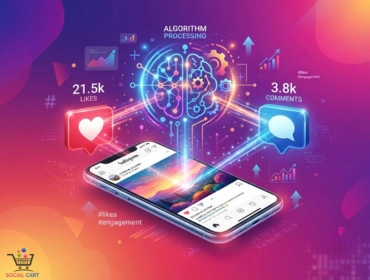
 Alex White
 5 August 2026